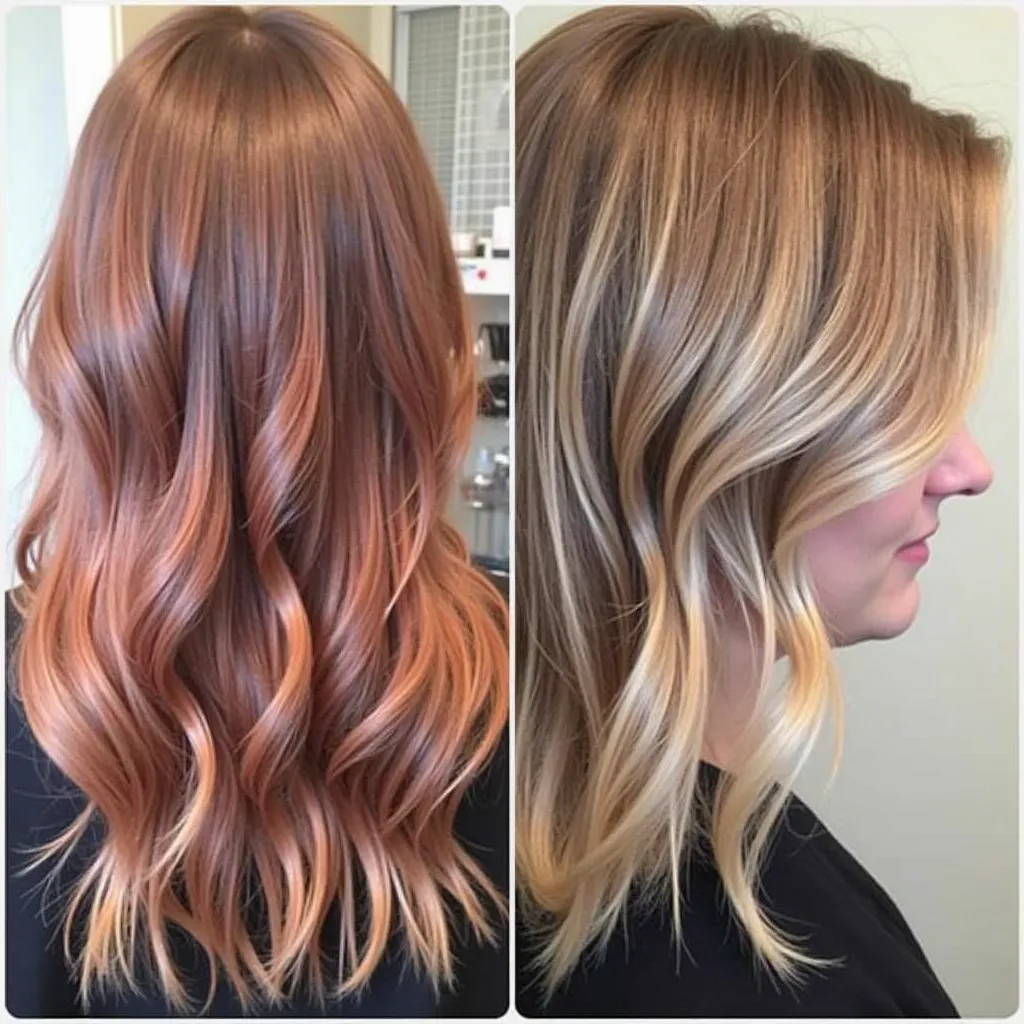
Hair & Color Chemistry made easy! Use our precise ratio calculators for dye mixing, bleach developers, and treatment timings for flawless results.
hair · color chemistry
step‑by‑step protocol
- 1 part color + 1 part developer
- mix thoroughly until smooth
- apply immediately, process 30-40 min
- emulsify & rinse with cool water
Table of Contents
Introduction to Hair & Color Chemistry
Understanding hair and color chemistry is essential for anyone venturing into the world of hair dyeing and treatments. Each strand of hair is composed of complex proteins and pigments that react uniquely to various substances. When we apply hair dye, it’s not just a surface level transformation, we’re engaging in a delicate dance of chemical reactions.
For instance, the pH level of a dye can significantly influence its efficacy, affecting everything from penetration to the longevity of color.
Moreover, the ratio at which we mix these dyes and developers plays a crucial role in achieving desired results. Too much developer can lead to uneven color or damage, while too little may not properly lift the hair cuticle. By utilizing precise ratio calculators, hairstylists can tailor their mixes to individual hair types considering factors like porosity and natural pigment.
This meticulous approach not only enhances the vibrancy of hair color but also safeguards its integrity, allowing for creative expression without compromising hair health.
Understanding Hair Dye Ingredients
When it comes to hair dye, the ingredients play a pivotal role not just in the outcome but also in the health of your hair. Understanding each component can empower you to make informed choices. For instance, ammonia is commonly used to open the hair cuticle, allowing color to penetrate deeply. However many modern formulas have shifted towards ammonia-free alternatives, utilizing gentler agents like MEA (Monoethanolamine) that achieve similar results with less damage.
Another essential ingredient is the dye itself, which can be classified into permanent, semi-permanent, and temporary categories. Permanent dyes usually contain small dye molecules that bond with hair proteins, creating long-lasting color. In contrast, semi-permanent dyes often feel less intrusive as they sit on the hair surface. Understanding these differences not only helps in selecting the right type for your needs but also influences the longevity and vibrancy of your color.
Moreover, conditioning agents and additives like keratin or oils can make all the difference in post-dye hair feel. These ingredients hydrate and protect your locks, countering the potential dryness that can accompany dyeing. By recognizing the interplay between these components, you can fine tune your hair care routine to maintain the luster and health of your dyed hair, ensuring that your vibrant color also reflects the vitality of your strands.
The Science of Bleach Developers
Understanding the chemistry behind bleach developers is essential for anyone delving into hair color transformation. At its core, a bleach developer, typically hydrogen peroxide, acts as an oxidizing agent that opens the hair cuticle, allowing the color molecules to penetrate while simultaneously lifting natural pigment.
The strength of the developer, measured in volume, determines the level of lift it can achiev with higher volumes producing more drastic results. However, this potency also raises the potential for damage, underscoring the importance of precise applications and ratios during the mixing process.
Moreover, the interaction between bleach developers and hair dye illustrates a remarkable synergy. When mixed with hair dye developers not only facilitate the removal of underlying pigments but can also enhance the vibrancy and longevity of the new shade. Scientifically, this is tied to the pH levels and the presence of specific catalysts, which can alter the dye’s chemistry.
Understanding these interactions allows stylists to tailor formulations for individual needs effectively, ensuring vibrant results while maintaining hair integrity. By leveraging precise ratio calculators in conjunction with a solid grasp of bleach chemistry colorists can achieve stunning transformations with confidence.
Precise Ratio Calculators Explained
Precise ratio calculators are essential tools for anyone navigating the vibrant world of hair color chemistry. These calculators take the guesswork out of mixing hair dyes and bleach, ensuring that each formulation achieves consistent and predictable results. By inputting the desired shade developer volume, and treatment time, you can strike the perfect balance between color intensity and hair health.
This precision not only allows for creative expression but also minimizes damage, making it possible to achieve stunning results without sacrificing the integrity of the hair.
Furthermore, understanding how these calculators work deepens your appreciation for the science behind hair coloring. They often incorporate factors like underlying pigments and hair porosity which are crucial for customizing mixes tailored to individual needs. This analytical approach empowers stylists and enthusiasts alike to confidently experiment with new hues while remaining mindful of the reactions that each product may invoke.
In an industry where artistry meets chemistry, precise ratio calculators serve as the reliable bridge between creativity and science, ultimately enhancing the overall coloring experience.
Mixing Hair Dye for Desired Results
Mixing hair dye is an art that balances chemistry and creativity, requiring an understanding of color theory alongside the precision of ratios. As a stylist, you’re not just applying a color but creating a custom shade that reflects the unique personality of your client. Consider using a color wheel complimentary hues can enrich or mute the final look, while contrasting colors can deliver unexpected vibrancy
For example, mixing a warm copper with a cooler ash tones can yield a multidimensional effect that avoids flatness.
Another crucial factor is the developer used in your mix, as different volumes influence the lift and the depth of the color. A lower volume (10 or 20) is ideal for deposit-only services, whereas higher volumes (30 or 40) are reserved for achieving significant lightening effects. Always remember to account for the underlying pigment of the hair when mixing knowing how the base color reacts with your chosen dyes will help avert unwanted brassiness.
Finally, keep accurate notes of your ratios and techniques, allowing you to replicate favorite formulas or fine tune them for future applications, transforming each dye mix into a signature style.
Calculating Developer Strength for Bleaching
Calculating the correct developer strength for bleaching is crucial for achieving the desired lift while minimizing hair damage. The developer, or oxidation agent, opens the hair cuticle to allow the bleaching agents to penetrate and break down the hair’s natural pigments.
However, the key lies in understanding the relationship between developer volume identified in 10, 20, 30, and 40 volumes and the level of lift you aim to achieve. For instance, a higher volume developer (30 or 40) is effective for significant lifts, but it also increases the risk of compromising hair integrity if not monitored closely.
Moreover, considering hair porosity is essential in this equation. Highly porous hair absorbs products more readily, which can lead to uneven lifting or over-processing. Adjusting developer strength based on porosity ensures a more controlled and diluted response.
Additionally, factors like the condition of the hair and existing color should dictate your choice; someone with healthy hair may handle higher volumes better whereas compromised strands may benefit from a gentler approach. Balancing these elements can transform the bleaching process into a precise art, where every strand is treated with care and expertise.
Treatment Exposure Times: Best Practices
When it comes to achieving optimal results in hair treatments, understanding exposure times is essential. Each product, whether it’s a color treatment or a bleaching agent, possesses unique chemical properties that dictate how long it should be left on the hair for maximum effectiveness.
For instance while some demi permanent colors may require as little as 20 minutes, high lift formulas might demand up to 45 minutes for full development. It’s critical to follow these guidelines, as overexposure can lead to compromised hair integrity and unexpected results.
Moreover, environmental factors such as room temperature and humidity play a significant role in treatment efficacy. When working in a warmer environment, the processing time may need to be shortened while cooler conditions could allow for a longer application without risk. To master treatment exposure times, consider using a timer and taking periodic checks, especially with more aggressive treatments like bleach.
This not only helps in avoiding damage but also empowers hairstylists to create personalized experiences based on individual hair types and client needs, transforming every session into a tailored adventure in color chemistry.
Common Mistakes in Dye Mixing
When it comes to dye mixing, one of the most common pitfalls is neglecting to consider the underlying hair color and its porosity. Many believe a simple ratio will produce the desired shade, yet the hair’s unique structure plays a critical role in how pigments are absorbed. For instance porous hair tends to grab color more intensely which can result in unexpected tones. A mismatch in base colors can thus illuminate the importance of understanding your hair’s starting point before mixing.
Another frequent mistake is underestimating the significance of mixing the dyes thoroughly. In a rush, many stylists may simply blend colors without achieving a uniform consistency. This can lead to patchy results or variations in hue that become evident during application.
Additionally failing to adhere to timing protocols when mixing developers and dyes can also skewer the final result. Each brand may have specific guidelines that, when overlooked, might compromise the vibrancy and longevity of the color. Always remember — precision isn’t just about the ratios; it’s a holistic approach to the entire mixing process.
Final Thoughts on Hair Color Safety :
In the dynamic world of hair color, safety transcends mere application techniques; it embodies a holistic approach to hair health. Many consumers overlook the powerful chemistry behind every dye and treatment, often prioritizing instant results over long-term consequences.
Understanding the components of hair dyes from ammonia content to pH levels equips you to make informed choices that protect both your strands and scalp.
Moreover, advocating for patch tests and careful monitoring of exposure times is crucial. These steps not only prevent adverse reactions but also foster trust in the products you use, creating a more satisfying coloring experience.
As you delve into the chemistry of hair coloring, consider incorporating safer alternatives like plant-based dyes or lower-ammonia formulas into your regimen. Making these conscious choices not only celebrates your individuality but also prioritizes the health of your hair in the long run. Ultimately, embracing the science of hair color is not just about aesthetics; it’s about cultivating a deeper, sustainable relationship with your hair care.